Is AirAsia Premium Flex worth it for a four-hour flight to India?..
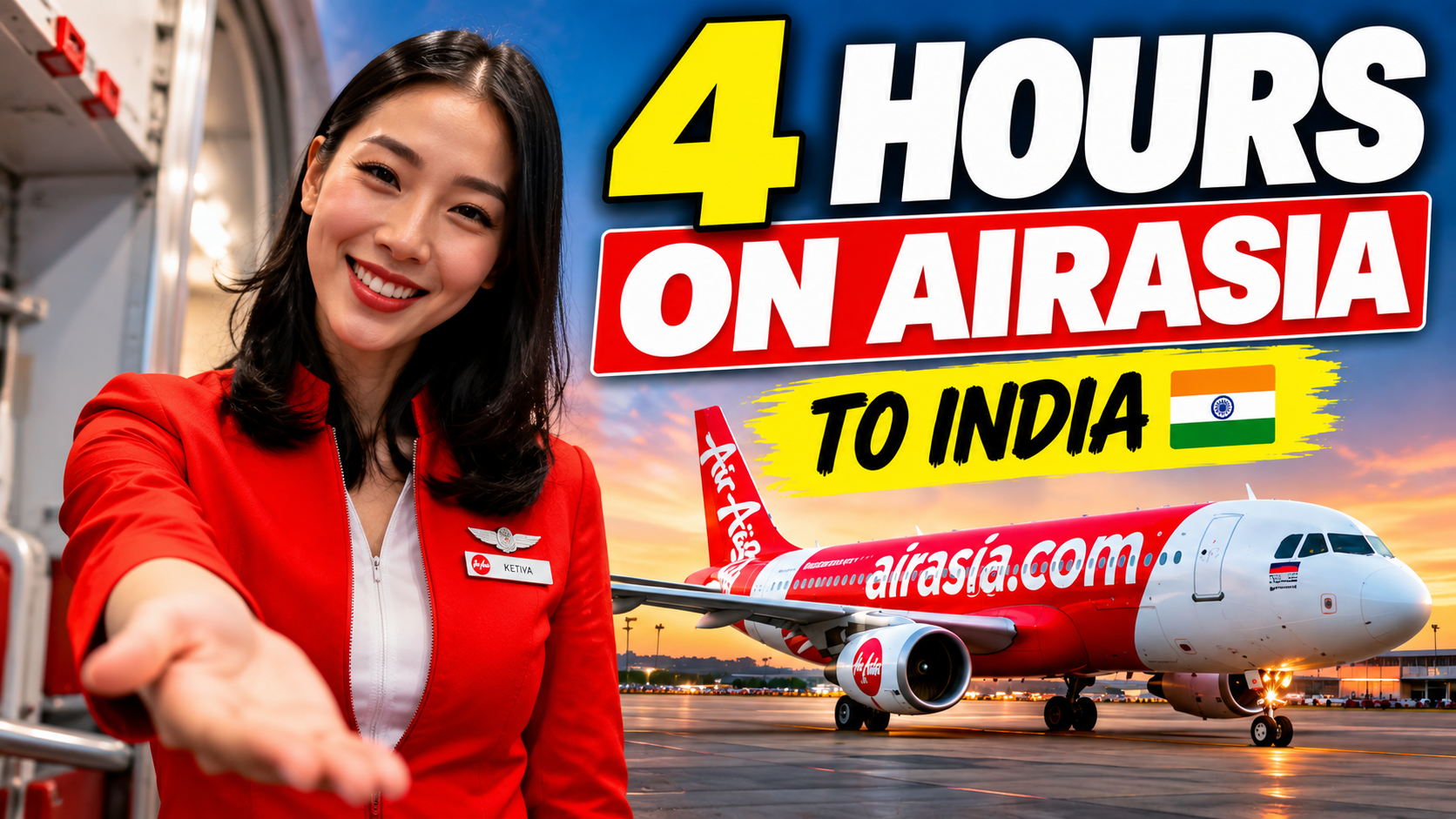
Four hours on a low-cost airline can sound like a long time, particularly when you're flying in a standard economy seat. For my flight from Bangkok Don Mueang Airport (DMK) to Kochi (COK), I decided to pay extra for AirAsia's Premium Flex package to make the journey a little more comfortable.
The basic ticket cost around 6,500 baht, while Premium Flex added another 2,300 baht. That's a significant increase, so the question was whether the additional benefits would actually make a difference.
The first benefit was priority check-in. At Don Mueang, Premium Flex passengers had a dedicated check-in area, including a red-carpet entrance and separate baggage-drop facilities. This meant avoiding the main queues and, importantly for an international flight to India, the check-in staff could check all the required travel documents.
Premium Flex also included a priority baggage tag and a 20kg baggage allowance, giving me more checked baggage than the basic fare.
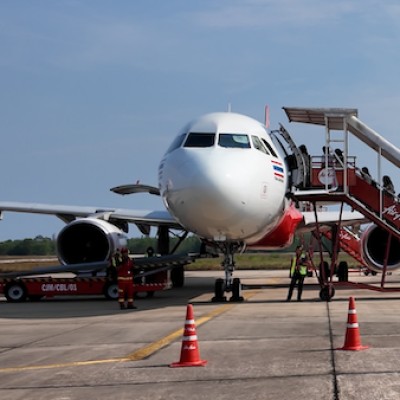
The next benefit was priority boarding. This turned out to be particularly useful on this flight. The gate area was becoming increasingly crowded and noisy, with a lot of passengers waiting to board. When boarding began, the Premium Flex queue was almost empty, allowing me to board ahead of the main crowd.
That meant I was one of the first passengers on the aircraft, giving me plenty of time to get settled and put my hand luggage in the overhead compartment before the cabin became crowded.
For me, however, the most important part of Premium Flex was the ability to choose an AirAsia Hot Seat.
I selected 1A, right at the front of the aircraft. The additional space made a noticeable difference on a four-hour flight.
There was considerably more room to stretch my legs and more elbow room around the window seat. Even better, the seat next to me remained empty, giving me even more space during the journey.
Once the aircraft was full, the difference between the front-row Hot Seat and some of the standard economy seats was obvious. During the flight, I could see other passengers with considerably less room around their legs.
For a short flight, I probably wouldn't consider paying a substantial premium for extra space. But on a four-hour international flight, the extra room made the journey considerably easier.
Premium Flex also included a small meal and a bottle of water.
The meal was chicken and rice. It wasn't comparable to the food you would expect from a full-service airline, but that isn't really the point. On a four-hour flight, having something to eat helped break up the journey.
The meal would have cost around 180 baht if purchased separately, so there is at least some additional value here.
By the middle of the flight, I was actually surprised by how comfortable the journey had become.
I'd expected four hours on AirAsia to be a fairly arduous experience, particularly having previously only taken much shorter AirAsia flights. Instead, the flight was smooth and went considerably quicker than I expected.
The combination of priority check-in, priority boarding, 20kg baggage, the Hot Seat and included meal made a noticeable difference.
Of course, my experience was helped considerably by getting an empty seat next to me — something that isn't guaranteed. But the extra legroom from seat 1A alone was valuable on such a long low-cost flight.
So, if you're considering AirAsia from Bangkok to India, my experience suggests that Premium Flex is worth considering, particularly if you're going to be onboard for around four hours.
It doesn't turn a low-cost airline into a full-service carrier, but it can make a long economy flight considerably more comfortable and convenient.
Watch the full video to see my complete four-hour AirAsia journey from Bangkok to Kochi.

No bio available.
All Rights Reserved © 2026